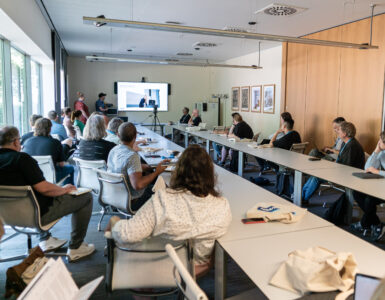
That’s a question that Kennisnet and the Digital Heritage Network in the Netherlands have been grappling with recently. A month ago they published an interesting report (in Dutch) on the subject in which they described their work in mapping the Dutch digital heritage for education landscape. This report covers their most important findings from this work thus far and highlights what they argue to be the main drivers for successful integration of digital heritage materials in schools. This initiative is ongoing and we hope to include a longer article on its outcomes in 2020.
You may also like

European Parliament adopts new resolution on Media Literacy and Digital Learning
On 7 July, the European Parliament adopted a new resolution entitled “A new strategy for media literacy and digital learning”, containing some key recommendations for future media literacy policy priorities of the EU...
4 hours ago
1 min read
VOICES Festival returns for its 4th edition to Thessaloniki in 2026
The European Festival of Journalism and Media Freedom, VOICES, will hold its fourth edition in Thessaloniki, Greece, from 26–28 November 2026. Created to bring citizens, journalists, and media professionals closer...
2 days ago
1 min read
Global Media and Information Literacy Week 2026: We All Play a Part
From 24 to 31 October 2026, UNESCO will once again celebrate Global Media and Information Literacy (MIL) Week, the annual international initiative that brings together stakeholders from around the world to promote Media...
3 days ago
1 min read