
by Prof.Dr.Sc. Tamara Gazdić-Alerić, Department of Croatian Language and Literature, Media and Stage Art, Faculty of Teacher Education, University of Zagreb, Croatia
IMPROVE – Research and Development of Media Literacy in Preschool and Primary Education, a Four-Year Institutional Research Project Conducted at the Faculty of Teacher Education, University of Zagreb.
As educators, parents, and researchers, we watch children grow up surrounded by glowing screens, scrolling through TikTok feeds, and interacting with digital content before they even learn to read full sentences. Recent data from the Croatian Agency for Electronic Media reveals that nearly 90% of primary school students use digital media daily, spending an average of three hours on workdays and over five hours on weekends immersed in digital environments. But while children feel right at home in this digital world, do they possess the essential tools needed to explore it safely?
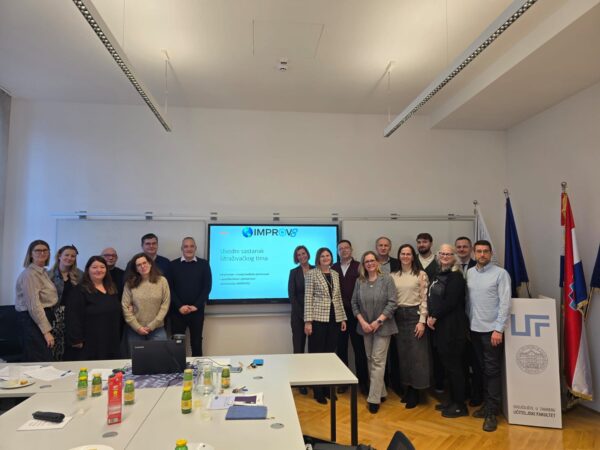
This exact question sparked our initiative, IMPROVE (Research and Development of Media Literacy in Preschool and Primary Education), a four-year institutional research project conducted at the Faculty of Teacher Education, University of Zagreb. To successfully address this complex challenge, we have gathered a collaborative, interdisciplinary research team bringing together leading experts from diverse fields – ranging from educational sciences, communication studies, and developmental psychology to philology and information sciences.
The Power of Interdisciplinary Collaboration
What drives our work is a unique synergy within the team. Alongside distinguished researchers from our faculty, such as project lead Prof. Dr. Blaženka Filipan-Žignić and esteemed colleagues specialised in media, language, didactics, and pedagogy, our group is also enriched by prominent external partners and pioneers of Croatian media literacy, Prof. Dr. Igor Kanižaj and Assoc. Prof. Dr. Lana Ciboci Perša from the Catholic University of Croatia, as well as Prof. Dr. Marko Alerić from the Faculty of Humanities and Social Sciences.
This diverse blend of academic researchers, university professors, practising teachers, early childhood education experts, and junior doctoral candidates enables us to bridge the gap between theoretical research and everyday school practice. Together, we analyse how children communicate with media and investigate specific language patterns, communication style, and cultural values thriving on social media platforms like TikTok and Instagram.
From Research to Practical Solutions
We do not analyse data in isolation; we actively translate our insights into concrete resources ready for classroom application through structured annual work packages.
Throughout the project’s duration, from the 2025/2026 to the 2028/2029 academic year, our team plans to develop, pilot, and evaluate interactive educational materials, and conduct workshops and training modules for teachers and educators. These resources include key elements of internet safety, the identification of fake news and deceptive advertising, digital ethics, algorithms, and the promotion of equality and inclusivity. Furthermore, we are building a dedicated digital repository – an open-access central hub containing analysed language patterns, digital communication examples, and practical methodological guidelines for educators, teachers, and parents.
Building Knowledge Together as a Community
Media education cannot take place behind closed doors. Empowering children requires a concerted effort involving educators and teachers, institutional support, and active parental guidance. By organising workshops, creating practical handbooks, and establishing mentoring networks for teachers, our project aims for the deep integration of media literacy into the educational vertical – from kindergartens all the way to university teacher and early childhood education studies.
We invite educators, researchers, and all those with a passion for media education to follow our journey, explore our upcoming findings, and join us in building a safer and more critical digital future for our children. Let’s build knowledge together as a community!
References and additional project documentation regarding the methodology and institutional framework of the IMPROVE project are available via the Faculty of Teacher Education website.
Author
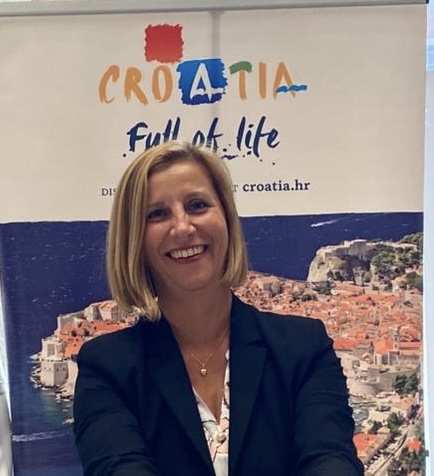
Prof. Dr. Sc. Tamara Gazdić-Alerić, Department of Croatian Language and Literature, Media and Stage Art, Faculty of Teacher Education, University of Zagreb, project associate. She has extensive experience in language and media literacy and possesses a deep understanding of how language and media are shaped and interpreted—which is crucial for developing children’s media literacy. She is a member of the Media Socrates Award Committee of the Communication and Media Culture Association. She teaches and coordinates courses in the field of media and has mentored several graduate and undergraduate theses in this area. She has led multiple scientific projects focused precisely on children’s media and reading literacy.