
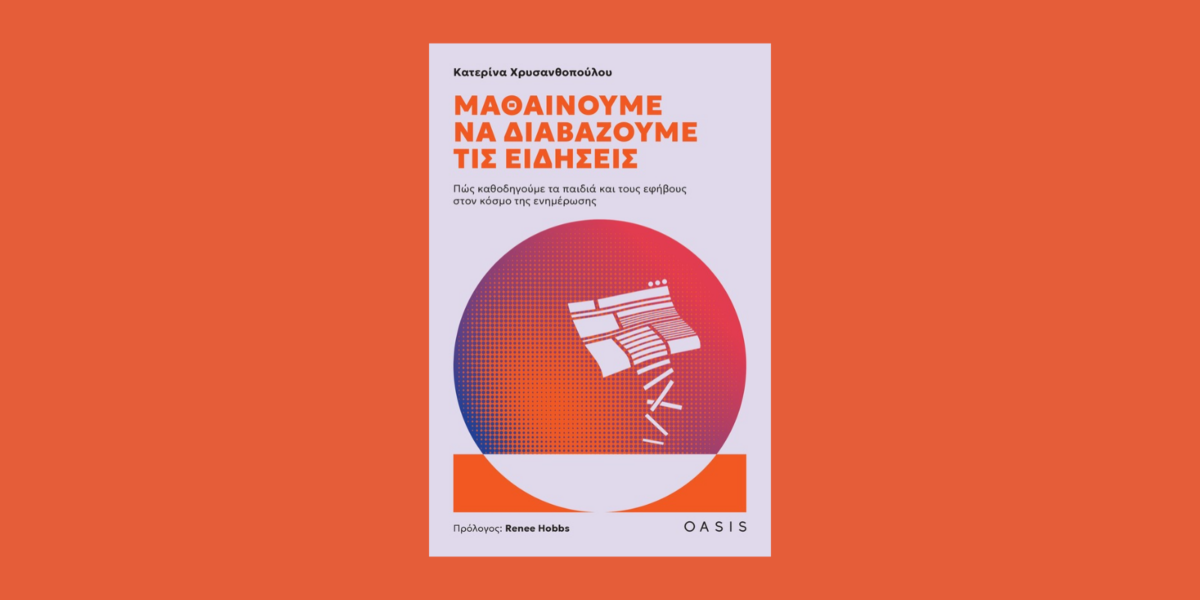
by Katerina Chryssanthopoulou, Postdoctoral Researcher, Aristotle University of Thessaloniki, Greece.
When I entered my Media Literacy Club classroom on Friday, March 3, 2023, my students were clearly emotional. Just four days earlier, on February 28, the Tempi train crash in Greece had claimed 57 lives. However, during the intervening school days, no time or space had been made available in their other lessons to discuss the tragedy, almost as if nothing had happened. As always, they were eager to talk. Some had followed the news constantly; others had encountered disturbing images, conflicting accounts and polarized discussions across social media. Some were frightened, angry or deeply saddened; a few even knew people who had been on board the train. We devoted our entire session to discussing the tragedy, giving everyone the opportunity to speak, be heard and begin making sense of an event that had affected them profoundly. My purpose was to help them express their emotions but mainly to set the framework, to help them understand both the event and the information environment through which they learn about it. For this distressing incident, but, actually, for every piece in the news, this process requires creating a safe space for open discussion, respectful disagreement and critical inquiry.
Social media is the common space for young people, where they shape their identities, political views and sense of belonging. They encounter news mainly through algorithmically curated feeds, where journalism, entertainment, advertising, opinions, activism and influencer content appear side by side. Visual appeal, emotional intensity and popularity often matter more than credibility. Algorithms reinforce existing beliefs, creating echo chambers that polarize discussions and leave users vulnerable to manipulation and misinformation. However, although teenagers care about justice and social issues, their voices remain underrepresented in mainstream public discourse.
This is where news literacy becomes essential. I always encourage pupils to ask: What do we actually know? Where does the information come from? Who reports it, and on what evidence? We practise critical reading and lateral reading, comparing independent sources, cross-checking claims and distinguishing journalism from opinion, speculation and emotional reaction. We also examine how algorithms, repetition and emotionally charged content influence our judgement. Beyond verification, we discuss responsibility, accountability, institutions and the role of informed citizens in a democracy; also, we consider how citizens acquire knowledge; how public opinion is shaped and why informed democratic participation depends on access to reliable information and the ability to evaluate it. My students often tell me how much they enjoy this course because it connects what we do in class with what’s actually happening in the world, giving them an opportunity to explore topics that may not otherwise find much space in the school curriculum – or at home.
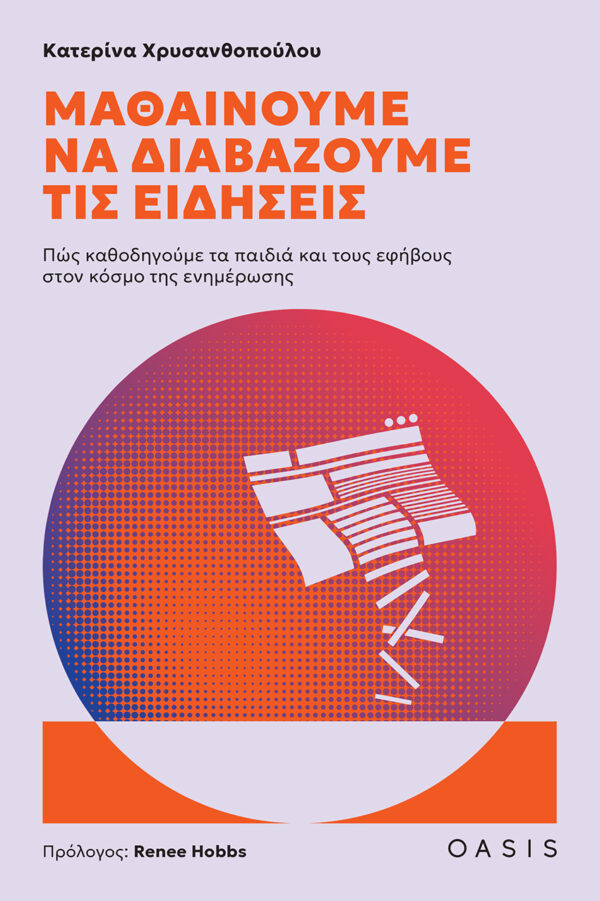
Unfortunately, in Greece, where the voting age is 17, media literacy is not systematically integrated into the school curriculum, and many teachers lack formal preparation in the field. Yet, when schools and families do not create opportunities for this kind of dialogue, and if they do not provide the context to understand how news functions, students are left to navigate today’s confusing media environment largely on their own. These are precisely the reasons I wrote Learning to Read the News, a book for teachers, parents and children: to explain the concepts and processes shaping today’s media environment; explore information disorders and provide practical lesson plans for guiding children to read the news, recognize manipulation and evaluate sources, distinguish fact from opinion, assess evidence, recognize bias and understand context, with focused attention and critical reading.
These are not merely media literacy skills. They are transferable competencies that pupils need across disciplines, whether studying history, science, literature or politics, evaluating research or making everyday decisions. They accompany them throughout their lives, into higher education, professional careers and democratic participation. Families and schools play an essential role in helping children become members of a community and learn to navigate an ocean of uncategorized information, AI-generated content, polarization and emotionally charged discourse.
Looking back at that Friday, I remember how the pupils gradually moved from immediate emotional reactions towards more considered questions. Their sadness and anger did not disappear, but they found the space to think together, listen and question what they encountered. As a news literacy teacher, I cannot provide all the answers. But I can ensure that my classroom does not become another place of silence.
The purpose of Learning to Read the News is not simply to teach children how to recognize fake news. It is to equip them with the intellectual, emotional and civic skills to understand how information is constructed, how truth can be assessed and how media ecologies shapes society. Above all, it is about being present when the news hurts, helping young people understand the world behind the headlines and ensuring that they don’t have to face its complexity alone.
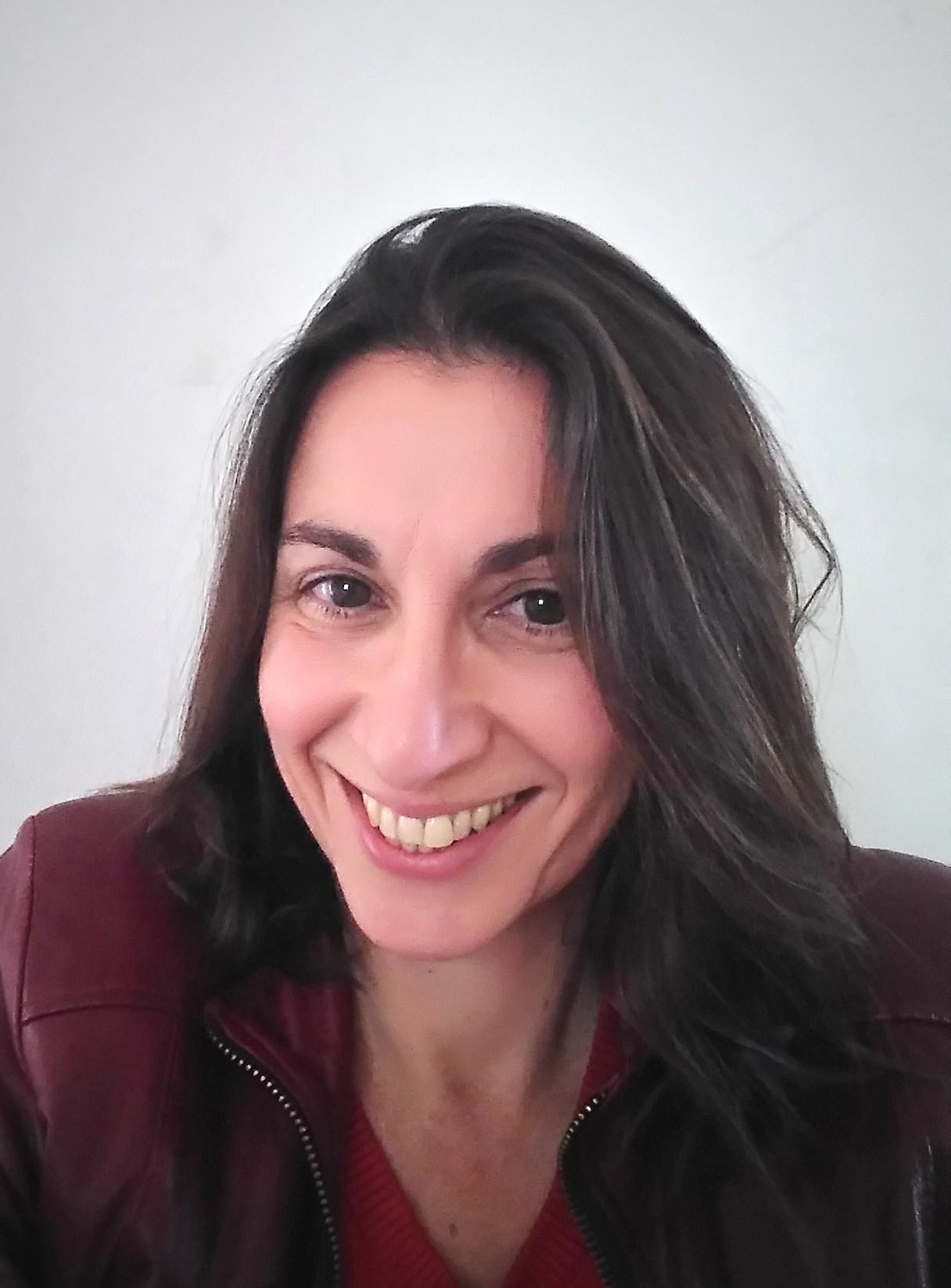
Author
Katerina Chryssanthopoulou is a Postdoctoral Researcher at Aristotle University of Thessaloniki, where her research focuses on news literacy among adolescents and young adults. She holds a PhD in Media and Information Literacy from the same university, an MSc in Cognitive Science from the National and Kapodistrian University of Athens, and bachelor’s degrees in English Language and Linguistics (NKUA) and Applied Informatics (Athens University of Economics and Business). She also holds a Diploma in Body Psychotherapy (Biosynthesis) and has undertaken extensive training in Aikido.
She designs and delivers educational programmes in MIL, digital, news and AI literacy, as well as expressive and academic writing, for children, adolescents and adults. She has served as an Adjunct Lecturer in the Department of Digital Media and Communication at the Ionian University. Her research interests span media and information literacy, news and AI literacy, cognition and media, learning in digital environments, digital reading and comprehension, and human learning with artificial intelligence. She is also a published fiction and nonfiction author.