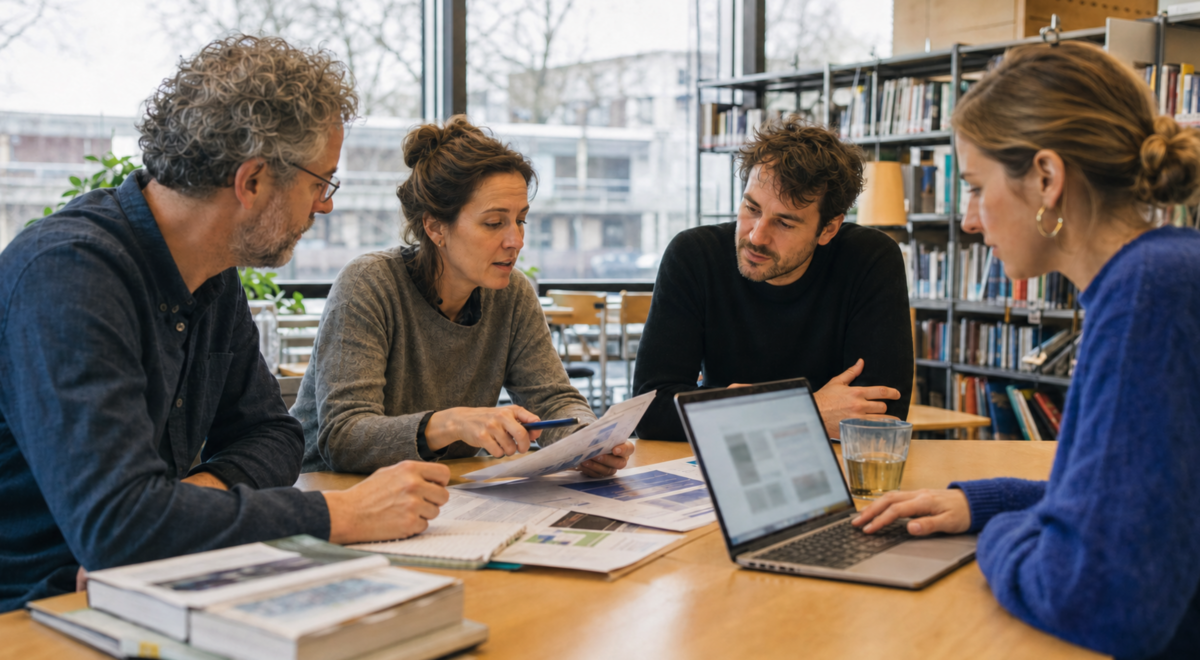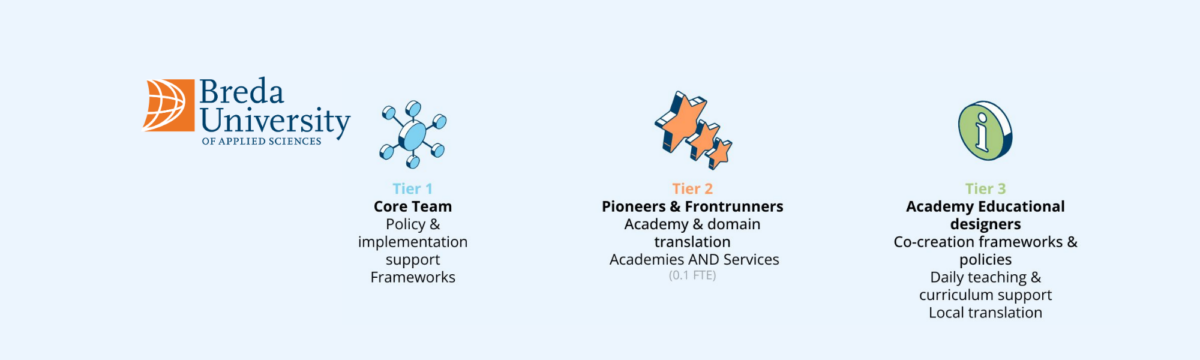
When two programmes are stronger than one: building a CTL in Breda University of Applied Sciences
- Artificial Intelligence
- Higher Education

by Ines Springael, Breda University of Applied Sciences, the Netherlands. This article is part of the “Centres for Teaching and Learning” series, a collection of interviews and articles exploring the diverse roles and innovative practices o

by Lucia Mesquita, Lusófona University, Portugal. As universities consider how best to integrate artificial intelligence into higher education, one message is becoming increasingly clear: the challenge extends far beyond adopting new technologies. The more important…

by Peter Wiegman, Media Literacy Network, the Netherlands. Established in 2008, the Dutch Media Literacy Network (Netwerk Mediawijsheid) has a clear mission: to help everyone become media literate[1]. Together with more than 1,000 partner organizations,…

by Lana Scott, MIT Open Learning, US. If you’ve worked in educational media recently, you’ve probably felt it. Walk into almost any university media office today and you’ll hear the same conversations. “Can AI do…

by Paschalia Terzi, Georgetown University in Qatar Library, Qatar. At Georgetown University in Qatar (GU-Q), the library building is the central hub of academic life. Students meet their peers, find a quiet place to study…

by Christian Hoppe and Markus Weber, TU Darmstadt, Germany. Choosing the right degree programme poses a complex challenge for young people. Given the enormous variety of options, finding one’s bearings can be difficult. Abstract module…

by Steven Verjans & Andy Veltjen, UCLL University of Applied Sciences, Belgium. At the Media & Learning pre-conference workshop in Leuven this June, my colleague Andy Veltjen and I shared the first results of the…

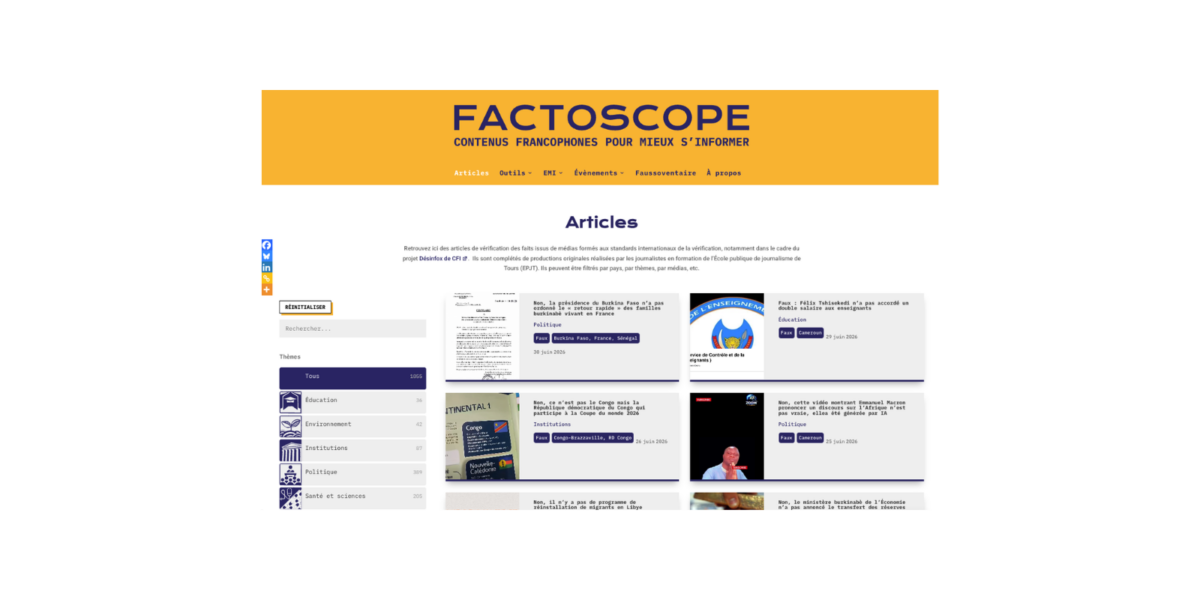
by Mariana Grépinet, University of Tours, France ; editor-in-chief of the Factoscope.fr platform. Four new media outlets and organisations have joined Factoscope.fr in the space of two months, bringing this francophone media-verification and media-literacy portal’s total…

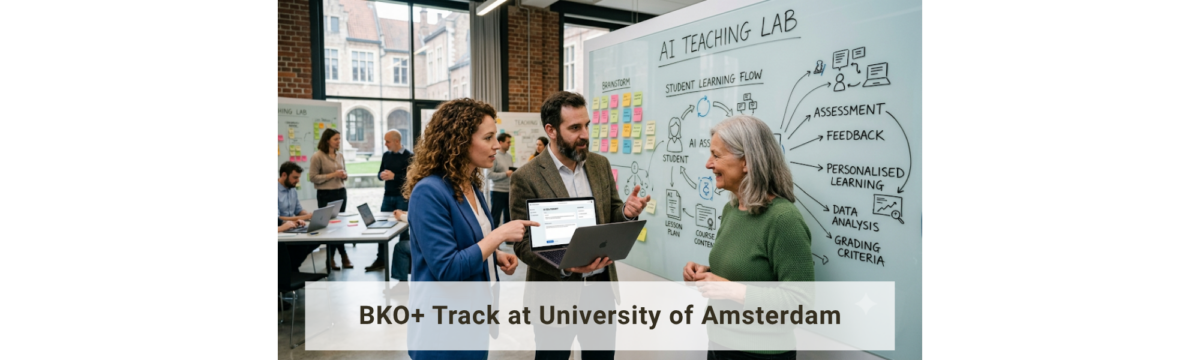
by Jacqui Edwards, University of Amsterdam, the Netherlands. When generative AI first hit our lecture halls, the questions from colleagues were strikingly similar:“Should I ban it in my essay course?”“Do I need to redesign my…

by Zara Mommerency, Mediawijs/BENEDMO, Belgium. At Mediawijs, the Flemish Knowledge Centre for Digital and Media Literacy, we developed two inclusive media literacy tools as part of the European BENEDMO project. Everyone should be able to…

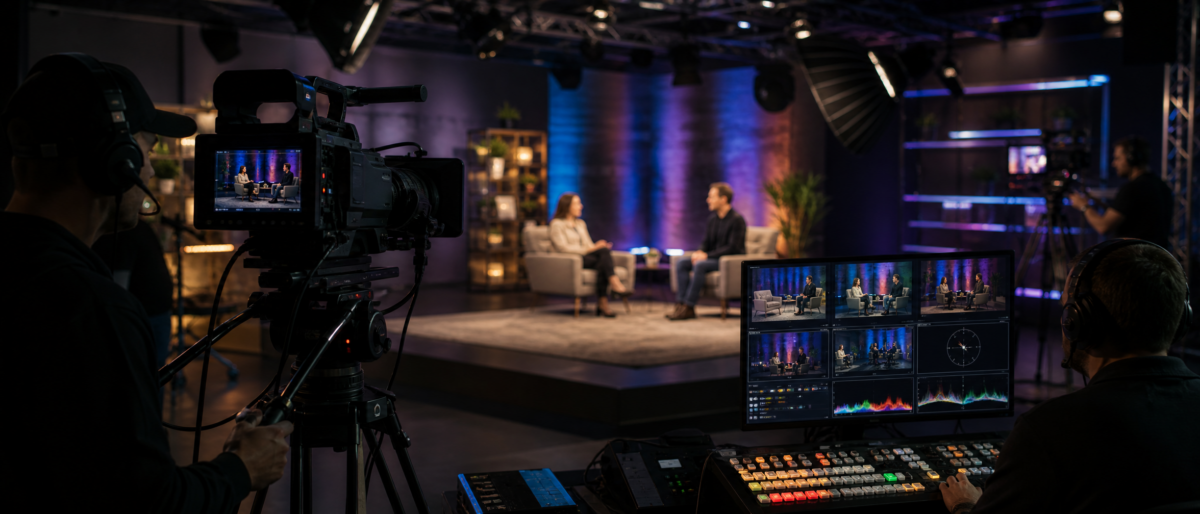
Open Media Transport (OMT) is a relatively new technology that allows high-quality video, audio and metadata to be sent across a local computer network with extremely low delay. While it is still in its early…

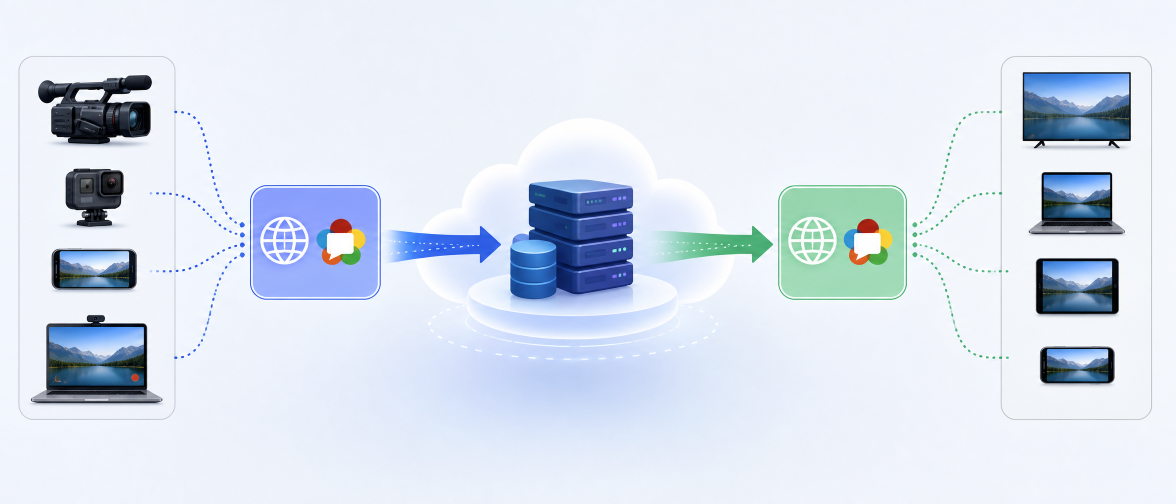
Educational media productions often already use tools such as vMix Call, where remote speakers simply click a link and join a live production from their browser. New open standards called WHIP and WHEP are extending…

Artificial Intelligence is already transforming educational media production. AI can generate transcripts, subtitles, summaries and even edit videos. Yet there is still one major limitation: most AI tools work in isolation and cannot easily access…
Registration is now open for the EDMO BELUX 2.0 Final Conference: Countering Disinformation, Raising Democratic Resilience, taking place on 7-8 September 2026 at the Brussels Institute for Advanced Studies (BrIAS) in Brussels. The two-day conference…

Read more
The All Digital Summit 2026 will take place on 22-23 September 2026 in Belgrade, Serbia, bringing together Europe’s digital community to discuss how technology can support a more inclusive, ethical and human-centred digital future. Under…

Read more
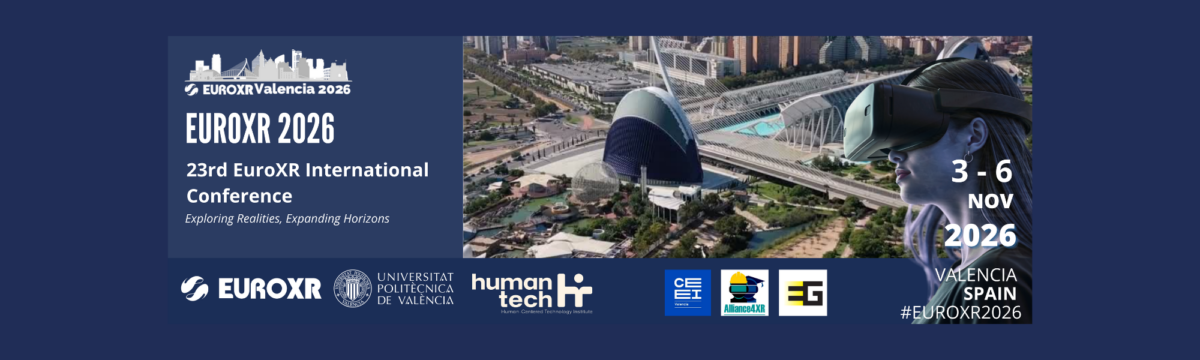
The European Association for eXtended Reality (EuroXR) will hold its 23rd International Conference in Valencia, Spain, from 3–6 November 2026, with satellite events running 2–3 November.
Read more