
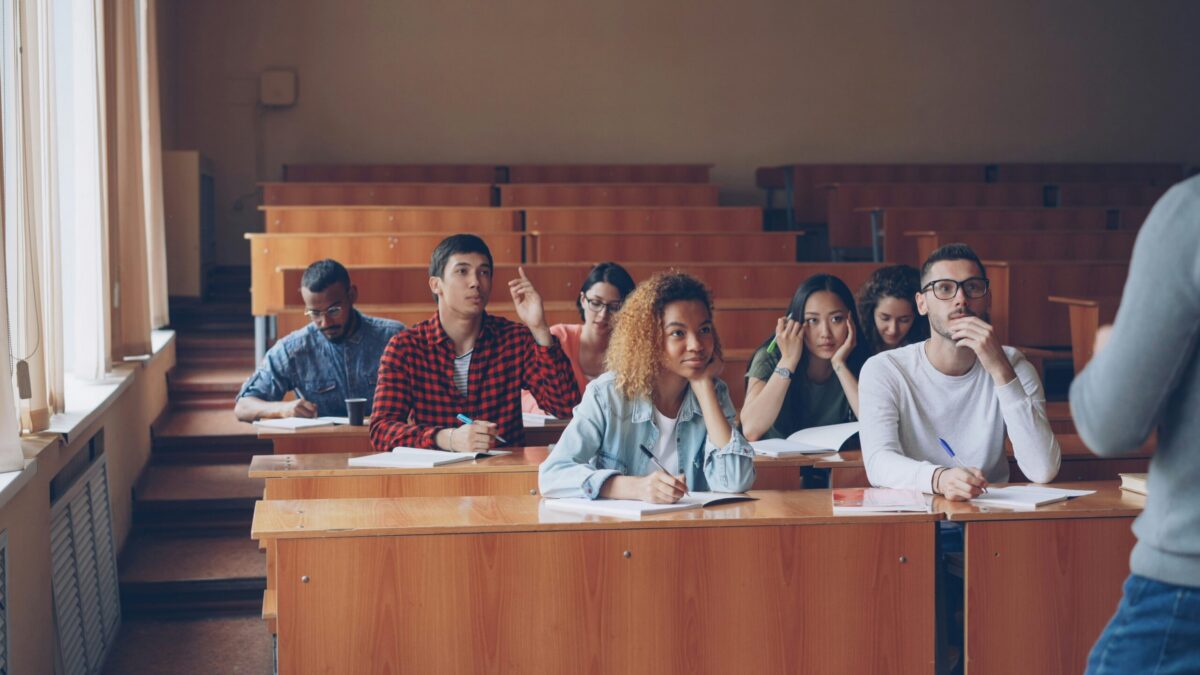
by Zuzana Kozárová, Constantine the Philosopher University in Nitra, Slovakia.
While reading the same article, each person could reach a very different conclusion. The reactions to the article may be very diverse; some people share it without hesitation or questioning the information, while others mark the article as “not interested”, “spam”, “disturbing content,” and so on. Our ability to think critically is shaped not only by what we read, but also by the people around us, the communities we belong to, and the social environment in which we make sense of the world.
This idea inspired the KEGA project “Social Determinants of Critical Thinking and Their Reflection in the Innovation of Media Literacy Teaching at Universities” (017UKF-4/2024), carried out at Constantine the Philosopher University in Nitra, Slovakia, at the Department of Journalism and New Media. Rather than asking only how students evaluate online information, we wanted to understand better why they do so. The project focuses on innovating the teaching of Media Literacy courses at higher education institutions in the context of how the social environment influences individuals’ ability to think critically. Particular emphasis is placed on the ability, or inability, of higher-educated individuals to think critically when engaging with content published in online media.
The project seeks to address an issue that has received relatively limited research and methodological attention in the Slovak education environment: the determinants of critical thinking, with particular emphasis on the social environment as one such determinant. At present, only a limited number of educational and research initiatives in Slovakia address the project’s specific focus on the social environment and its influence on individuals’ ability to think critically when engaging with content published in online media.
The main objective of the project is the innovation of the Media Literacy subject with an emphasis on the ability to think critically in the context of the influence of the social environment. In October 2025, the Department of Journalism and New Media organised the international scientific conference MEDIG 2025: Media and Information Literacy in the Post-Factual Era. Researchers, educators, journalists, and media literacy practitioners from several countries came together to discuss current challenges related to critical thinking, misinformation, journalism, media education, and innovative teaching methods. The conference has already produced two open-access Books of Abstracts (Slovak and English), and two peer-reviewed Conference proceedings (Slovak and English) are scheduled for publication by September 2026.
As a result of the scientific conference, we came to understand that professional journalism now competes with user-generated content, influencers, anonymous social media accounts, and increasingly sophisticated AI-generated texts and images. Traditional journalistic principles such as verification, objectivity, and editorial responsibility are no longer guaranteed before information reaches the public. As a result, media literacy, digital literacy, and critical thinking have become fundamental competencies not only for journalists but for every citizen. To better understand these challenges, we combined project research with educational innovation. Through questionnaires and focus groups, we explored students’ attitudes, experiences, and perceptions related to critical thinking and media literacy. Rather than keeping these findings in academic publications, we used them to develop practical educational resources that teachers could implement immediately in their classrooms.
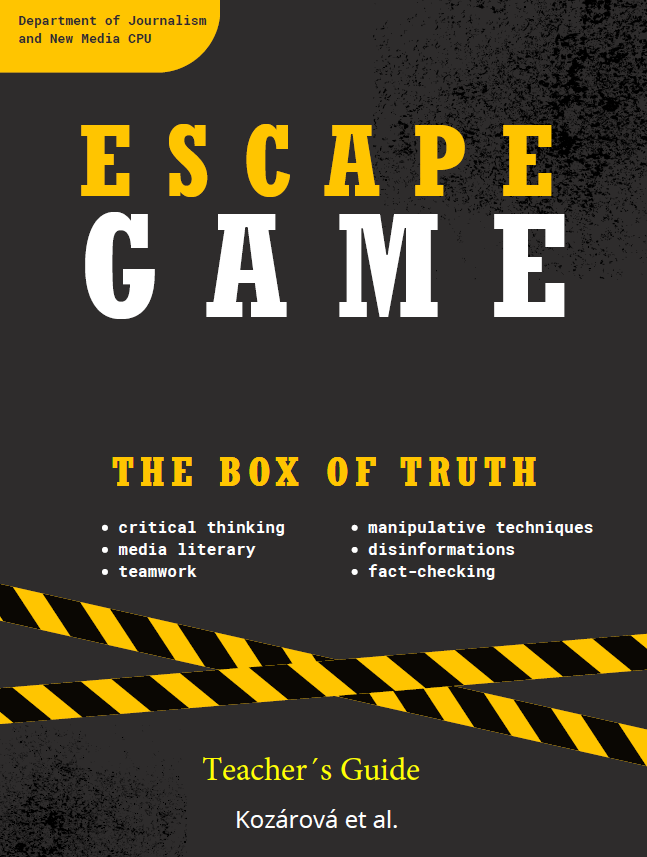
One of the project’s outcomes is the methodological guide, available as an Open Education Resource on Zenodo in both Slovak and English: The Box of Truth. An educational escape game designed to strengthen critical thinking, media literacy, and digital literacy through experiential learning. The methodological guide also includes a lecture on media and digital literacy. But instead of passively receiving information after a lecture, students work together to solve authentic challenges involving misinformation, source verification, manipulation techniques, logical reasoning, and evidence-based decision-making. During the activities, students are encouraged to discuss and collaborate, think critically, use fact-checking portals, and work in situations that closely resemble the information environment they encounter every day. The guide includes complete classroom instructions, printable materials, solutions, methodological recommendations, and suggestions for adapting the activity to different educational levels from primary school to higher education.
The project explores the social determinants that influence critical thinking and seeks to transform these research findings into innovative educational practice. We concluded also the fact that the role of journalists is experiencing a profound transformation. Historically, the media and journalists maintained publishing sovereignty, guiding the public in shaping critical perspectives on the world around them. Today, everyone who interacts with online content needs to strengthen “journalists’ skills,” such as recognizing fake news, searching for sources, working with fact-checking portals, and more.
Author
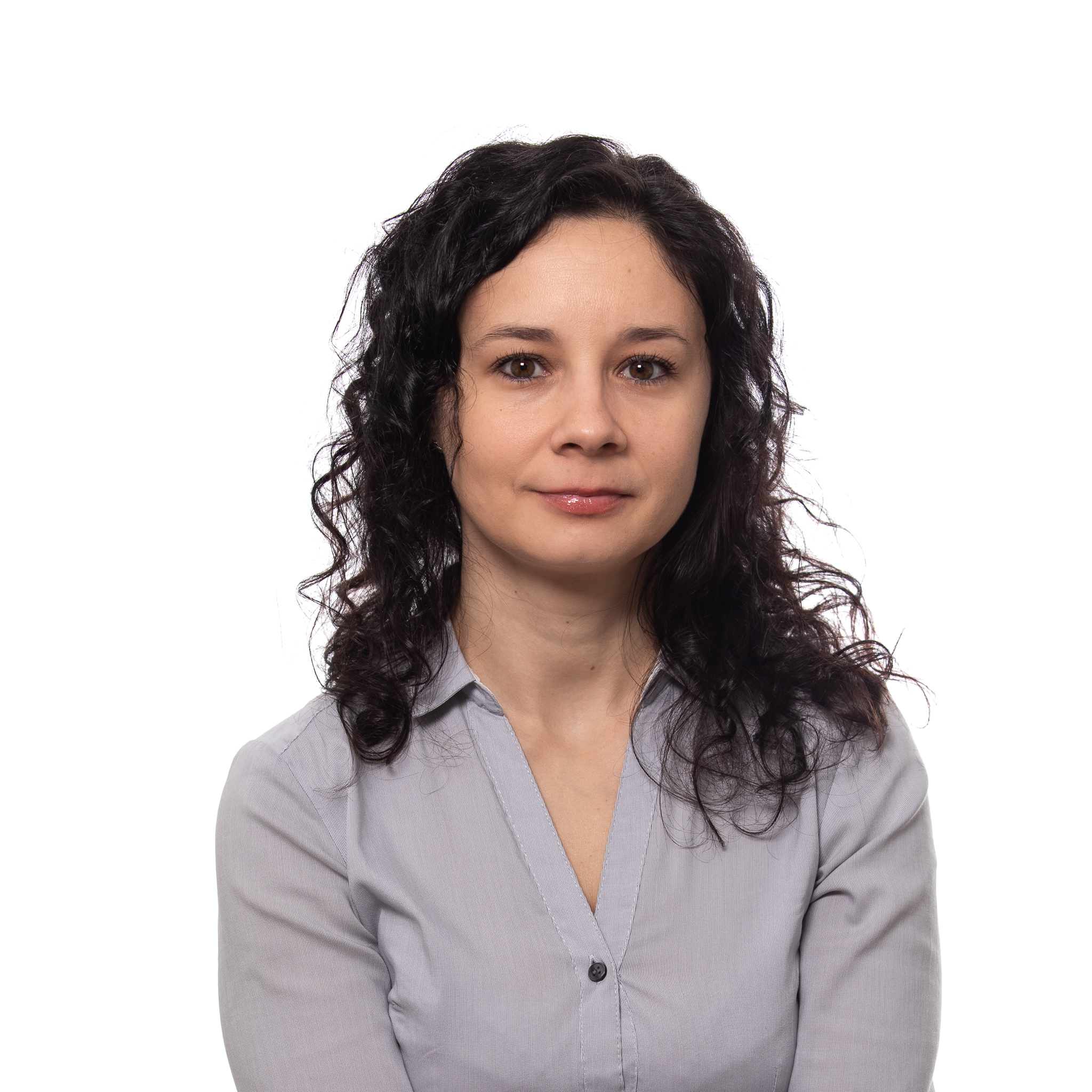
Zuzana Kozárová, PhD., is a university lecturer at the Department of Journalism and New Media, Faculty of Arts, Constantine the Philosopher University in Nitra, Slovakia. Her academic interests include media and digital literacy, critical thinking, foreign language didactics, and innovative approaches to education. She is the principal author of The Box of Truth, an educational escape game and methodological guide designed to develop critical thinking and media literacy through experiential learning.