by Laurence Gaiffe, Lille School of Journalism, France.
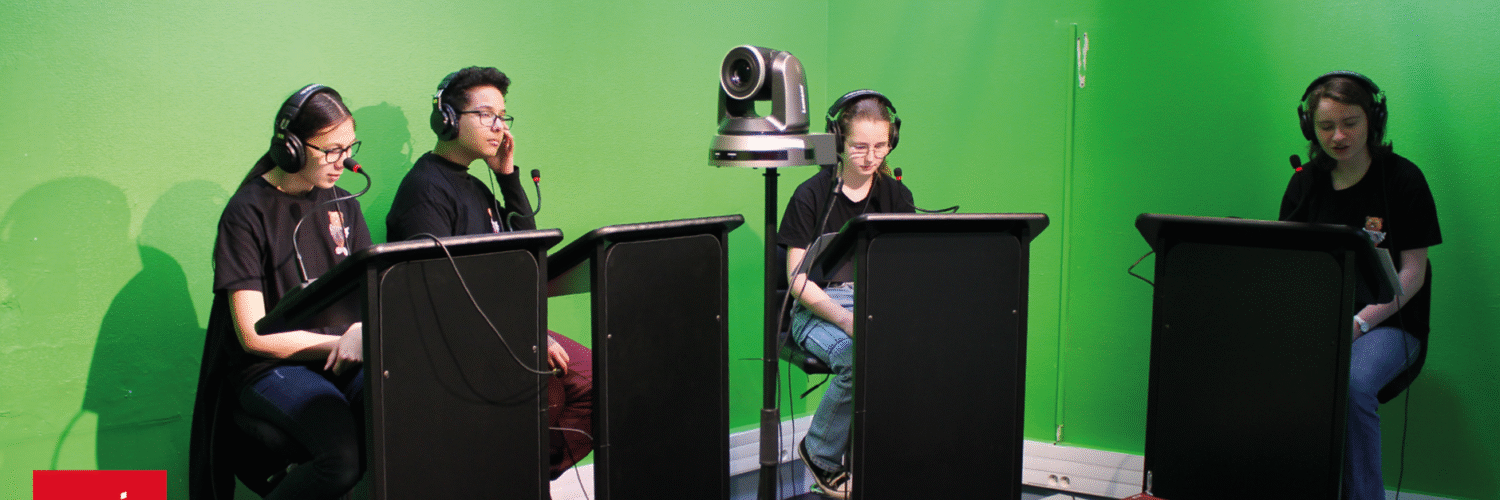
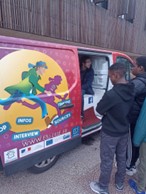
A Newstruck, a van equipped as a mobile control room, which travels the roads to raise public awareness about information and how it is processed; a large-scale investigative game that can immerse more than 100 people in researching and verifying information; creation of articles, podcasts, photos, and videos with journalists: these are the tools developed by the Journalism School of Lille (ESJ Lille) to help citizens, young people, and adults, to decipher online content and develop responsible digital practices.
Every day, a multitude of content circulates on our screens: information, opinions, but also misappropriations and even manipulations that contribute to blurring the notion of verified, balanced information and pose a threat to social cohesion and democracy. Who publishes, and with what intention? How can we sort through it all and take a step back? Media literacy is a key tool for equipping ourselves, together. ESJ Lille is doing its part and has been developing regional media literacy programs for the public since 2018, in partnership with funding bodies: Europe (ERDF), State and local authorities.
ESJ Lille has been training professional journalists for a hundred years and is one of the 15 schools recognised nationally by the profession in France.
A non-profit association, ESJ Lille is committed to civic actions on the local, regional, and national levels and has long developed recognised expertise in media and information literacy (MIL).
ESJ Lille sees MIL as a meeting place for journalists, students, and the public, a mutual (re)discovery that allows for discussion about the information processing through concrete and creative projects. Each year:
- more than 500 sessions each year, in schools and extracurricular settings;
- led by journalists;
- reaching more than 2,000 people, young people, adults.
What makes our school unique is that we work with practising journalists who decide to devote part of their free time to collaborating with us on these activities. This model allows us to identify each person’s skills based on the specific subject being covered.
ESJ Lille can propose in its MIL actions:
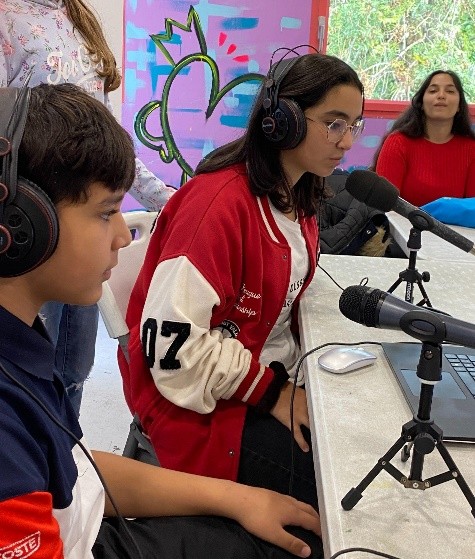
- an unique entity called the Newstruck, a van equipped as a mobile production unit that allows on-site radio or TV recordings
- a large immersive investigation game: an immersive, fun and travelling experience that can bring together more than 100 people from different generations. Teams become investigative journalists for half a day or a full day and investigate 5 to 10 iconic locations in their city to verify shocking news that has just broken and produce an article (title, text, photo).
- games:
- Enquête express to interview witnesses about an incident, gather and sort information
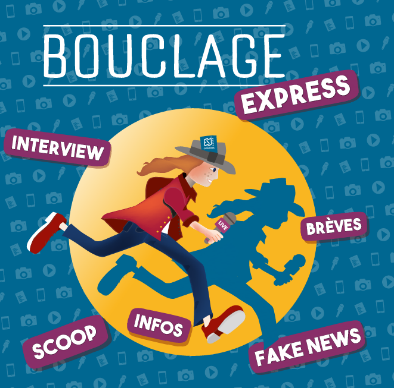
- Bouclage express to finalise the front page of a media outlet by selecting from numerous articles
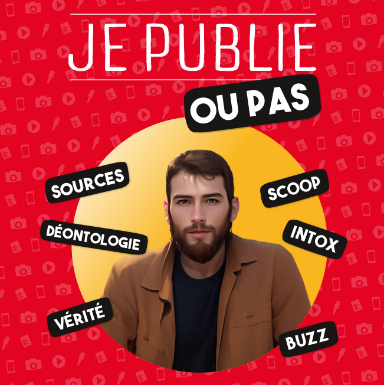
- “Je publie ou pas?” role-playing game based on news articles or videos that raise questions; players take on the roles of characters who seek to influence whether or not the content is published
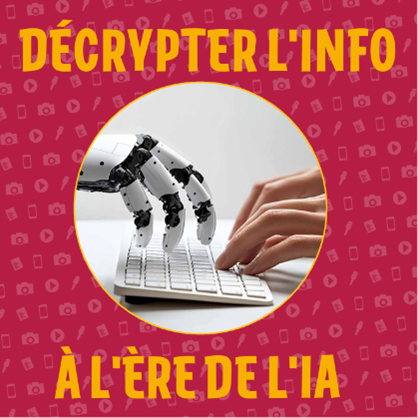
- a session on decrypting content in the era of generative AI
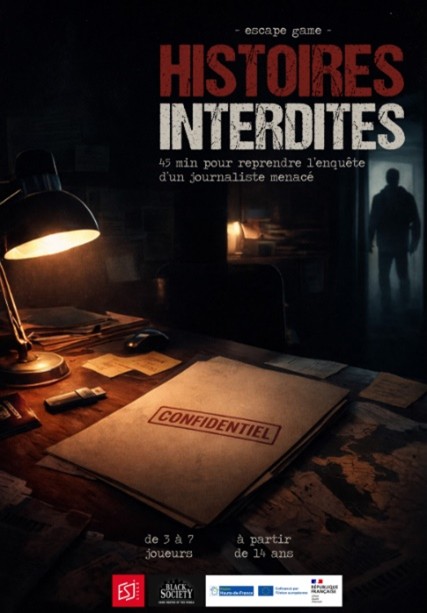
- an escape game that puts players in the position of taking over the investigation of a journalist who had to go into hiding
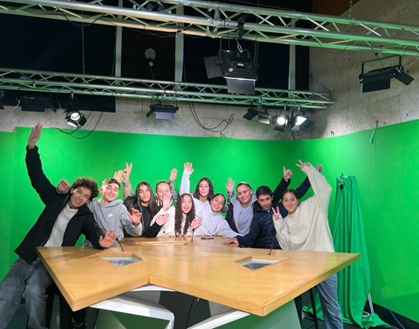
- media projects: 2 to 5 sessions with a group to discuss information and how it is processed by creating articles, podcasts, photos or videos
- training modules for adult supervisors (teachers, journalists, educators, etc.): discussions on information, misinformation, the mechanisms at play and the actions to be implemented with audiences. As an extension, a university diploma in media education has been created by ESJ Lille – ENS Paris-Saclay and a certification course for journalists wishing to become professionals in media literacy
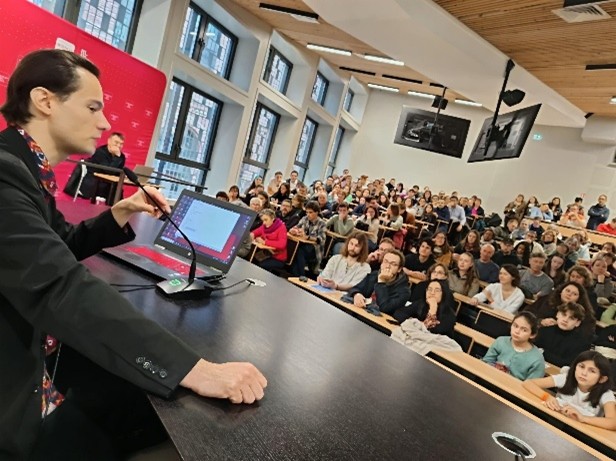
- events like Media and Information Literacy Conference: symposium with presentations by media literacy stakeholders and workshops introducing tools –
- academic evaluation works with the GReMS laboratory at UC Louvain (Belgium) to scientifically measure the effects of MIL actions in their content analysis.
Continuing to roll out media and information literacy programmes remains more than ever a priority, as highlighted in international reports (Davos, OECD, UNESCO). ESJ Lille intends to continue its efforts in 2026 and after by forging partnerships with European stakeholders and seeking regional, national and international funding.
Author
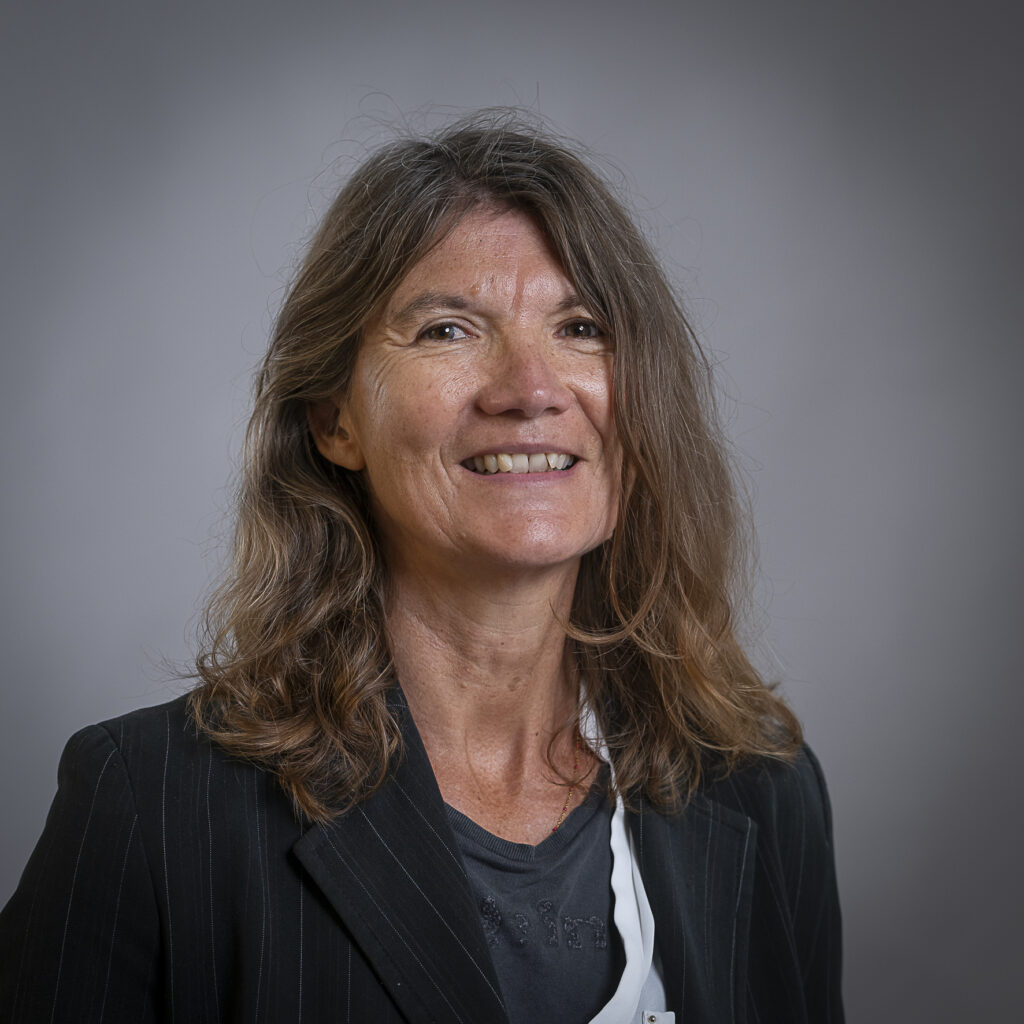
Laurence GAIFFE, Head of Media and Information Education at the Lille School of Journalism, laurence.gaiffe@esj-lille.fr