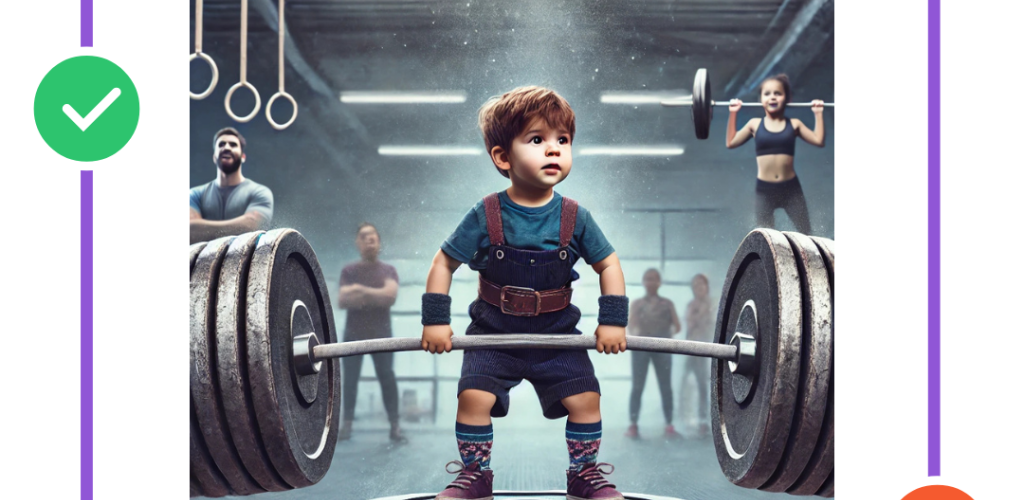
The partners of the VISAVIS project recently launched an awareness campaign about misleading images which they refer to as visual disinformation. As they say, images and videos often say more than words. Yet they can increasingly mislead us. This new campaign includes six short and practical tips and exercises to help deal with the overwhelming amount of visual (mis)information online. Presented in clear and unambiguous language, these tips can be used in formal as well as informal learning settings for people of every age and background.
You may also like
Finland adopts a new Media Literacy Education Policy – what has changed?
by Julia Alajärvi, Finnish Arts and Culture Agency, Finland. In May 2026, the Finnish Ministry of Education and Culture published an updated national Media Literacy Education Policy. The revision responds to a rapidly...
1 day ago
5 min read
KU Leuven’s CTL offers a wide range of services from bootcamps to advanced multimedia services
by Anneleen Cosemans, KU Leuven, Belgium. This article is part of the “Centres for Teaching and Learning” series, a collection of interviews and articles exploring the diverse roles and innovative practices of...
1 day ago
4 min read
Media education doesn’t stop at the kindergarten door: what we learned from working with parents
by Maja Cimerman Sitar, EduSkills+. Last year, I wrote here about a simple activity that helps young children discover that photographs do not necessarily show reality. I ended that article with a question that had...
1 day ago
6 min read