by Andrea DeGette.
How shifts in perspective impact the questions students ask about media, nature, and their
future.
When I first attended an online lecture by professor Dr. Antonio Lopez, I encountered an idea
that fundamentally changed the way I think about media and the environment. His simple yet
profound premise—that we are not separate from the Earth but are the Earth because we are
living beings within a living system—offered an entirely new way to think about environmental
education. Rather than beginning with politics or climate debates, it begins with identity.
Inspired by Lopez’s work, I developed what I call the “Just Add the Environment” framework,
weaving ecological thinking into traditional media literacy assignments. Students created
documentaries, public service announcements, commercials, narratives, and music videos,
each exploring how media shapes our relationship with the natural world. The approach proved
especially valuable in classrooms where environmental topics could quickly become politically
polarised. By asking students to start with themselves—as living participants in Earth’s
systems—they found common ground regardless of ideology.
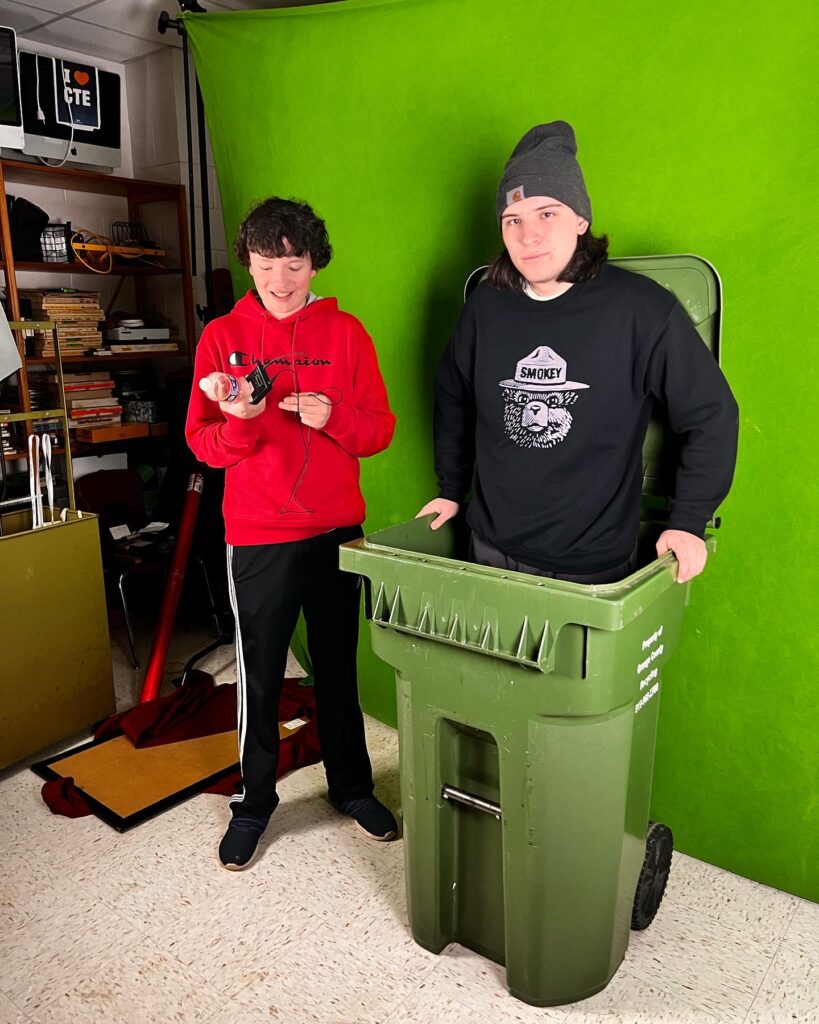
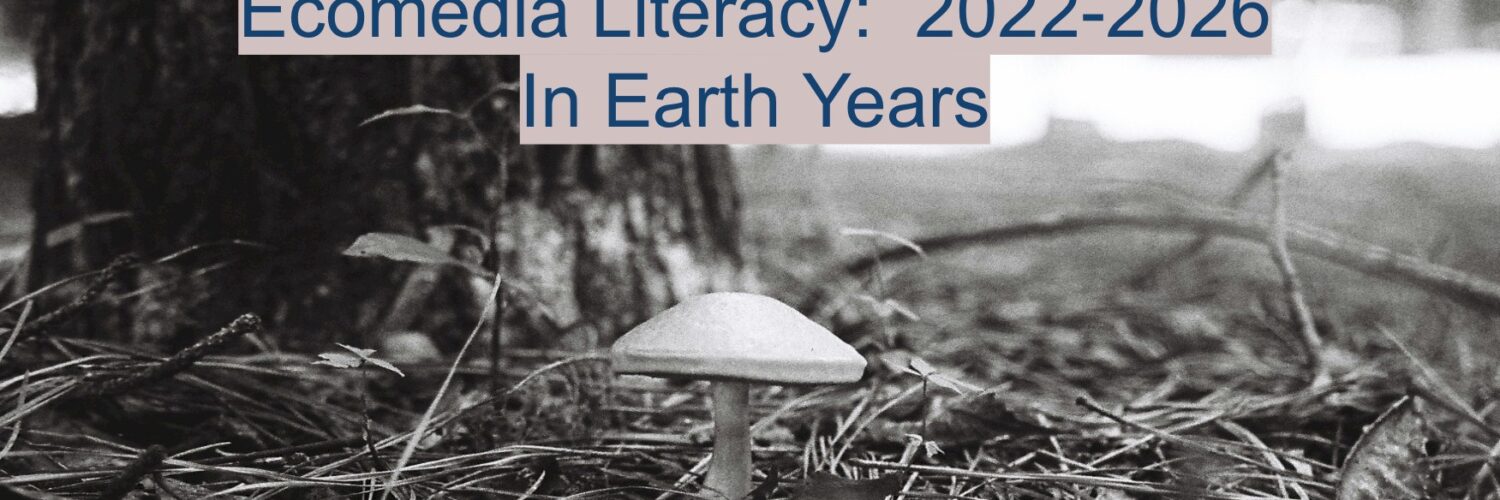
That journey became the foundation for my documentary, Ecomedia Literacy: 2022–2026 in
Earth Years, which I presented at the IMLRS 2026 in Rome, Italy last June. The project is a
25-minute exploration that combines interviews with Dr, Lopez (short clip 1; short clip 2), student films, photographs,
surveys, and research conducted both in my classroom and in Italy, where I interviewed Dr.
Lopez and studied student perspectives on recycling and environmental responsibility.
The documentary asks a deceptively simple question: How have students’ views of media,
climate, environmental justice, and artificial intelligence changed over the past four
years? By pairing the 2026 questions with videos from 2022 we compare side by side
how they relate.
The answer surprised me.
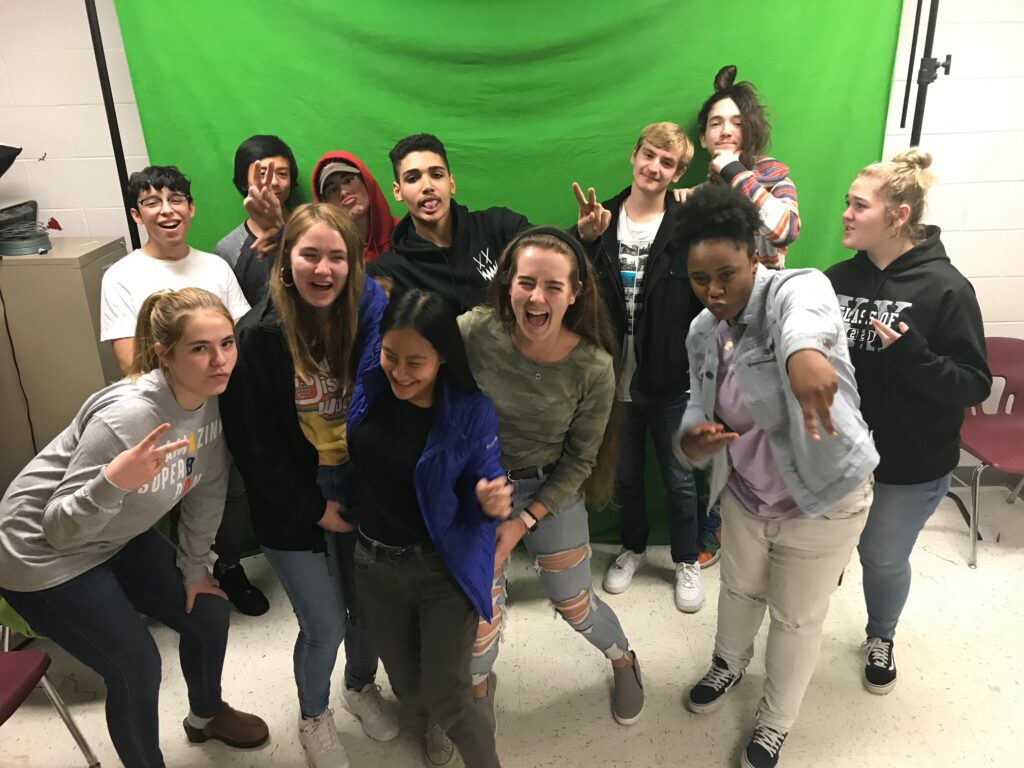
In 2022, many students approached environmental issues with skepticism or resignation. Their
student projects define that time in environmental media history. Their projects often reflected
distance and uncertainty, shaped by a media landscape saturated with narratives of crisis and
collapse. Convincing students to engage deeply with environmental questions was often the
greatest challenge.
By 2026, however, something had shifted. The students’ questions are framed with an almost
innocent take on our moment in time, here and now. And the answers that Dr Lopez offered
back in 2022 are still accurate and helpful due to his descriptions of systems thinking and the
internalized approach to materials as organic, and so many other responses to the student
questions of 2022.
Although students remain aware of climate anxiety and political division, their questions have
become richer, more nuanced, and far more hopeful. Rather than asking whether environmental
problems mattered, they wanted to understand how media influences public perception, how
artificial intelligence changes authorship and creativity, and how individuals might contribute to
meaningful change. Their work displayed greater curiosity, empathy, and imagination.
What explains this transformation?
I don’t believe it is simply because I became a better teacher, nor because one generation of
students is inherently different from another. If anything, these years have brought greater
political polarisation and extraordinary technological disruption. Yet despite these changes—or
perhaps because of them—students seem increasingly eager to ask thoughtful questions about
their place in the world.
After fifteen years teaching the same courses at the same school, I have watched fashions,
technologies, and cultural trends come and go. Teenagers still care about friendships, romance,
and everyday life. But beneath those familiar concerns lies an enduring desire to understand
what it means to be alive in a rapidly changing world.
That enduring curiosity is the heart of Ecomedia Literacy: 2022–2026 in Earth Years. More
than a documentary about environmental media, it is an invitation to reflect on how young
people construct identity in an age shaped simultaneously by ecological uncertainty and artificial
intelligence. By presenting student voices alongside Dr. Lopez’s insights, the project asks
audiences to consider not only how media shapes our understanding of the environment, but
how education can cultivate hope, critical thinking, and a renewed sense of connection to one
another—and to the living Earth itself.
Author
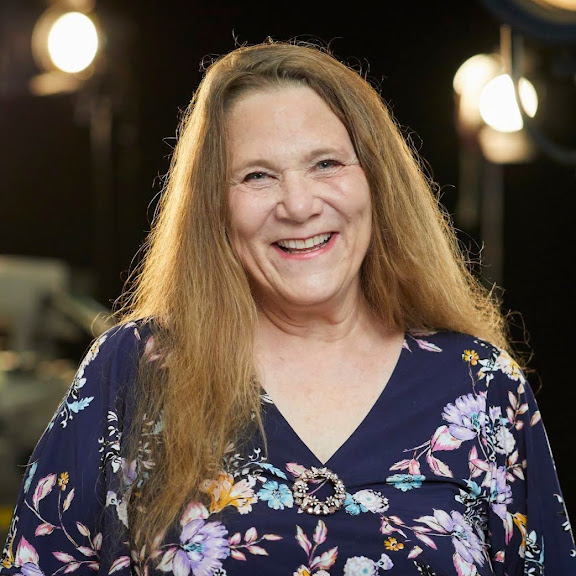
Andrea DeGette is a filmmaker and educator (NAMLE Teacher of the Year 2022) working with K-12 since graduating from NYU in 1984. Her passion for media literacy has informed her teaching for over 30 years. DeGette is currently working on an Open Educational Resource: Media Literacy through Filmmaking: How We Story/Why We Story. She has been on the faculty at Alamance Community College since 2007.