by Carl Hartley, University of Leeds, UK.
Good journalism is needed more than ever in the increasingly partisan world we are living in. We rely on journalists to tell the stories of real people, to hold power to account, to verify and fact‑check, and to provide accurate reporting that informs, challenges and scrutinises. But doing this work – particularly in fractured and emotionally charged contexts – comes at a cost.
Journalism has repeatedly made a difference in the world, often in the most traumatic of circumstances, by exposing harm, amplifying survivors’ voices and forcing accountability. Investigative reporting in the early 2000’s by the Boston Globe’s Spotlight team uncovered decades of clerical sexual abuse and institutional cover‑ups, leading to resignations, criminal prosecutions and global reform within the Catholic Church. In the UK, sustained journalism following the Grenfell Tower fire ensured that the experiences of survivors and bereaved families were not forgotten, helping to drive a public inquiry, expose systemic failures and prompt changes to building safety regulations. Internationally, Reuters’ investigations into the persecution of the Rohingya people revealed evidence of mass atrocities and ethnic cleansing, contributing to international awareness and legal action. In each case, journalists worked closely with trauma, bearing witness to profound human suffering in order to seek out injustice and create meaningful change in the public interest.
These are high‑profile examples, but for many journalists, working with trauma is an everyday reality. They routinely tell the stories of survivors, uncover wrongdoing, and listen to accounts of loss, violence and grief. Lisa Bradley and Emma Heywood from the University of Sheffield describe this role in their edited collection Journalism as the Fourth Emergency Service. Yet, unlike other emergency services, many journalists receive little or no training in industry on how this exposure might affect their wellbeing. There is often no formal debrief after a distressing assignment – it is simply on to the next job.
I’ve been a journalist for over 25 years and continue to freelance in the industry. I’ve worked for some of the UK’s biggest news providers and, not once, have I been asked if I’m feeling okay after covering a traumatic story. I’ve never been offered training on how to deal with the emotional toll of repeatedly encountering other people’s trauma. I’ve covered terror attacks, children’s deaths, murders, car crashes, suicides, stabbings and shootings. I’ve spoken to relatives about their loss – and over time, that accumulation of trauma can start to affect you.
After a tough story, I would never have gone back to my editor and said, “That was hard.” Newsrooms weren’t places where you did that, particularly when I first started. You were taught that you are not the story, that you shouldn’t show emotion, that you should detach yourself. And to be honest, I didn’t want my news editor taking me off those assignments – these were the stories you wanted to be trusted with. Conversations when preparing NewsdayVR[1] with colleagues and former colleagues from industry suggest many have had similar experiences.
Further investigation shows that journalists are experiencing PTSD (Post Traumatic Stress Disorder) like symptoms including constant anxiety, disturbed sleep or a lack of sleep, intrusive thoughts and physical sensations such as pain, sweating, nausea or trembling after covering news stories.
This isn’t just anecdotal. Psychological research shows this experience has a name: vicarious trauma. It refers to the emotional and psychological impact experienced by individuals who are repeatedly exposed to others’ traumatic experiences. Journalists are required to be empathetic listeners, to build trust, and to help people feel safe enough to share their stories – all of which means sustained exposure to trauma is built into the job.
The good news is that some newsrooms are beginning to change. The ‘macho’ newsroom culture has softened, and wellbeing support is more openly discussed than it once was. However, provision remains inconsistent and often depends entirely on where you work. There is still significant progress to be made.
For journalism educators, this creates a clear responsibility. Preparing students for the realities of the newsroom means preparing them for the good, the bad and the ugly (a phrase I’ve not used since watching that Clint Eastwood film many years ago). While we do a good job of teaching technical and ethical skills, we don’t always help students understand or manage the emotional impact of covering traumatic stories.
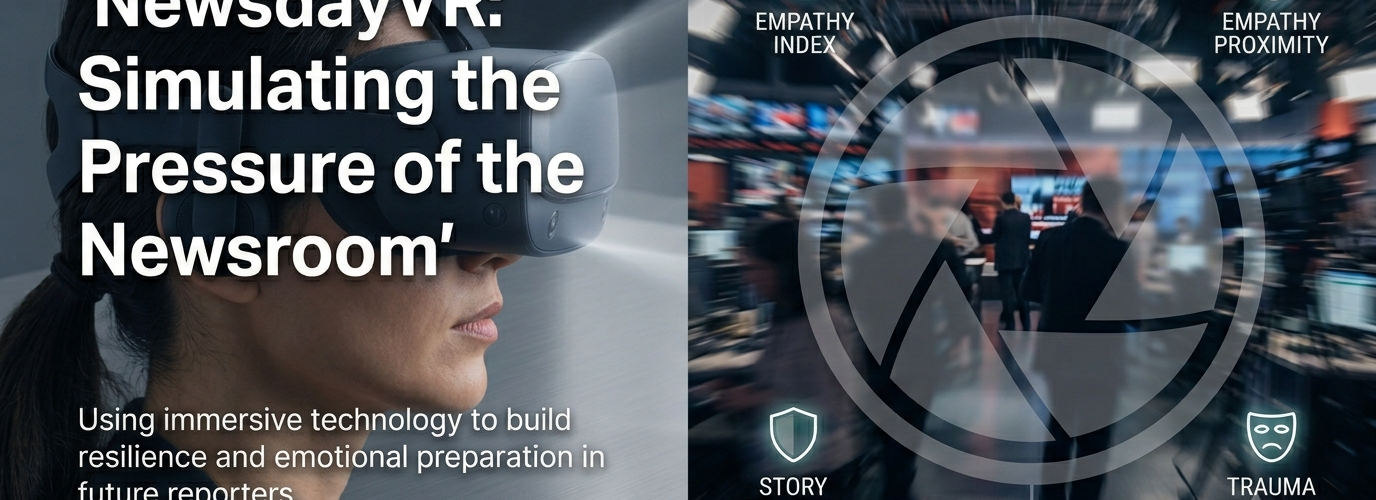
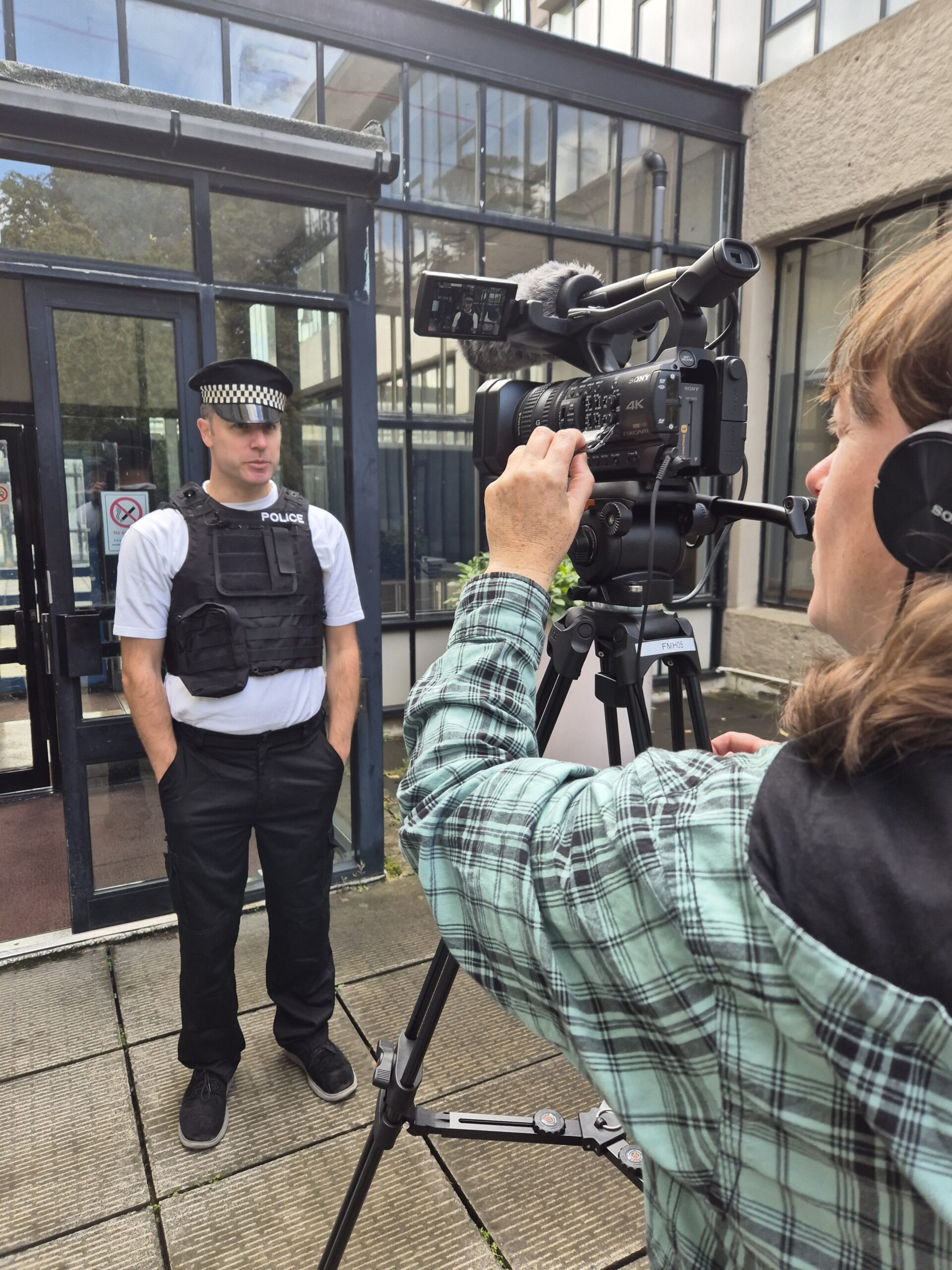
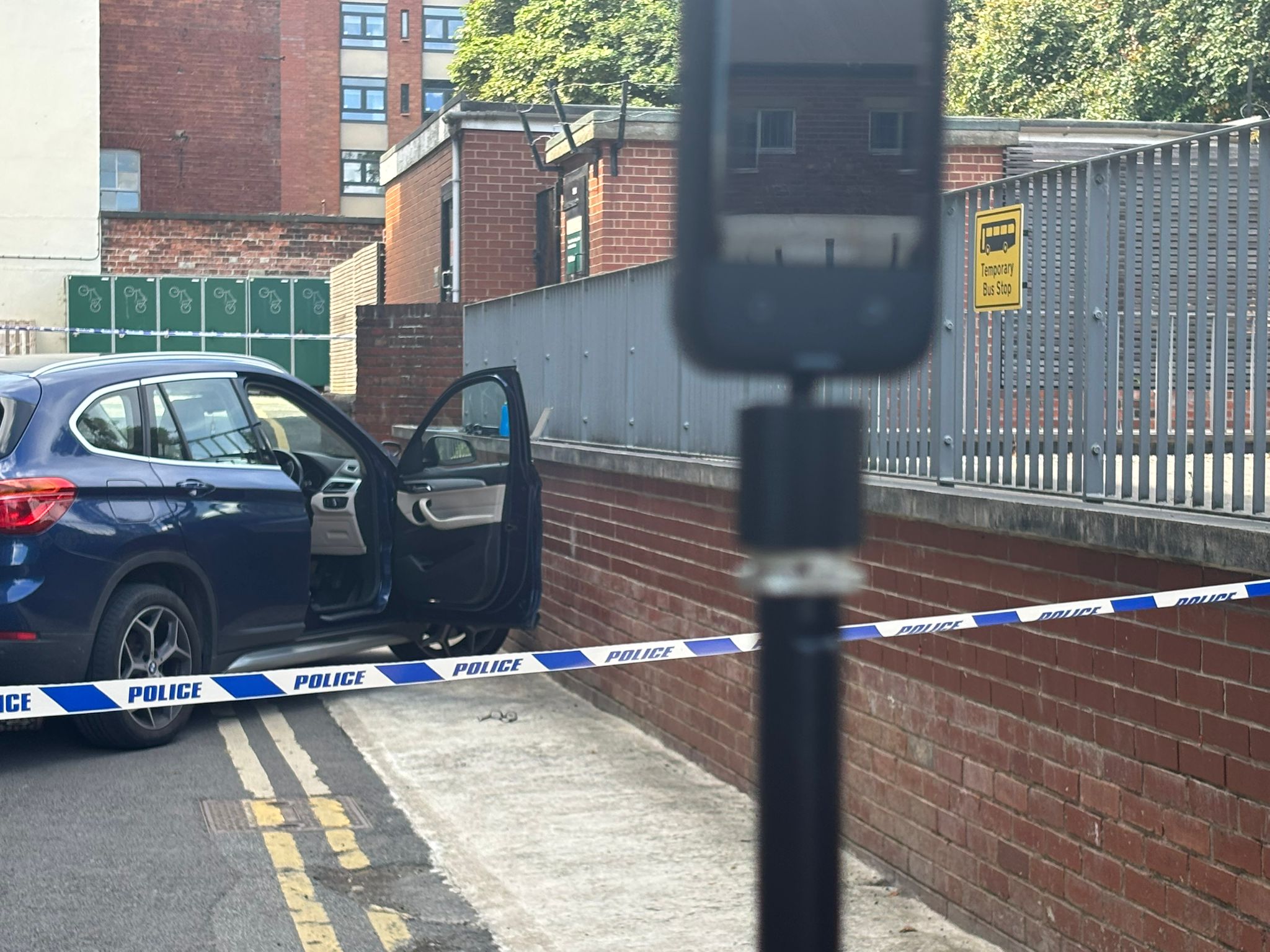
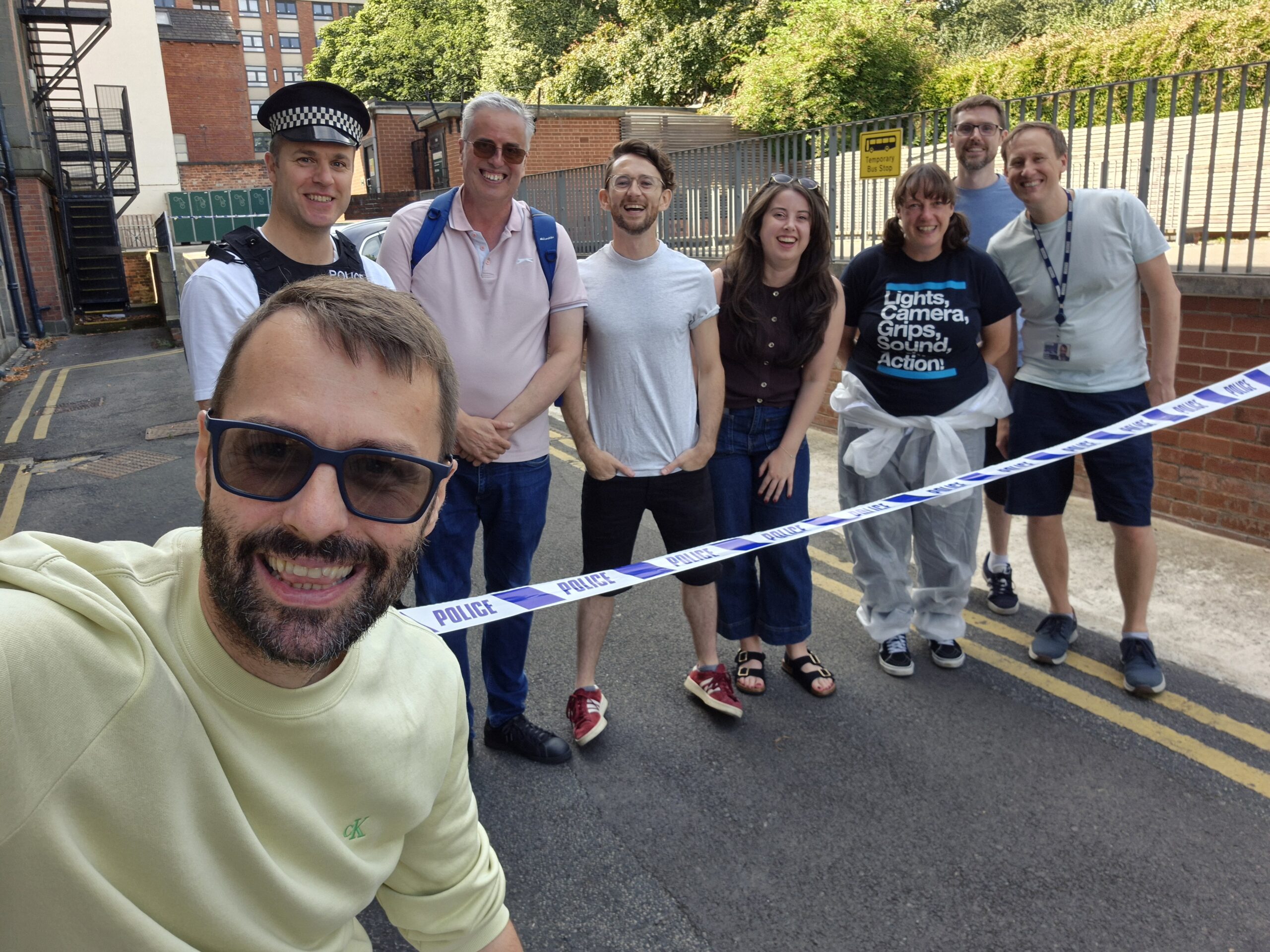
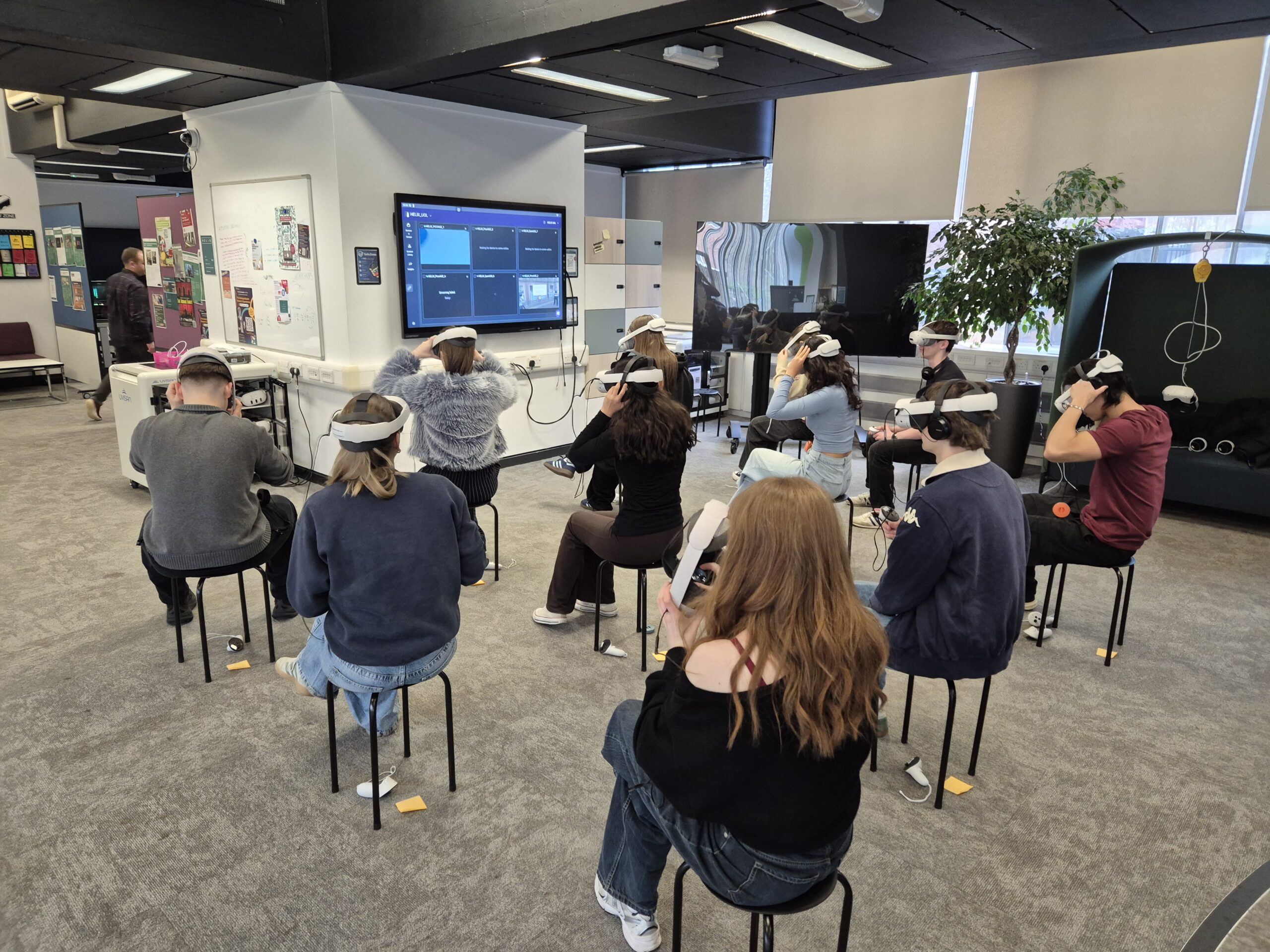
In the classroom, we can talk about trauma, resilience and self‑care, but it is difficult to recreate the pressure, uncertainty and emotional proximity of real‑world reporting. NewsdayVR was created by me, alongside Learning Technologists Dan McKinnie and Dr. Danielle Millea to help bridge that gap. By combining a trauma‑aware workshop with an immersive virtual reality experience, with authentic industry aligned tasks, it gives students a realistic – but carefully supported – sense of what it feels like to report on a breaking trauma story, without exposing them to real‑world harm. Unlike traditional role‑play or case studies, VR allows students to experience pressure and decision‑making in a way that feels authentic, while remaining safe. The aim is not to sensationalise trauma, but to make its emotional impact visible and discussable, while helping to build resilience.
The VR experience is deliberately designed to pause at key moments, allowing time for reflection and discussion. These pauses encourage students to recognise how they are responding emotionally as well as professionally, and to consider practical strategies around self‑care, peer support and seeking help. Informed by initiatives such as MediaStrong created by Leona O’Neil, and by conversations with journalists including James Scurry (Sky News and Safely Held Spaces) and former CTV News Toronto journalist Tamara Cherry (PickUp Communications), NewsdayVR reinforces the idea that wellbeing is not a personal weakness, but a shared professional responsibility.
To understand whether this approach was having the intended effect, we carried out research with students who took part in NewsdayVR. Evaluation data showed a clear increase in confidence between pre‑ and post‑workshop responses, with students reporting greater confidence in talking to colleagues about trauma, recognising their own emotional responses, and applying practical techniques and strategies to help them cope.
Professor Anthony Feinstein (University of Toronto) has written that “Good journalism, a pillar of civil society, depends on healthy journalists” (2015). NewsdayVR exists because journalism matters – and the people who do it matter too. If journalists play a vital role in exposing injustice and telling difficult stories, then preparing students for the profession must include emotional preparation alongside technical skills. By embedding wellbeing into immersive journalism education, NewsdayVR aims to normalise conversations about mental health early – not as crisis response, but as core professional preparation – helping future journalists build healthier, more sustainable careers.
(Editor’s Note) NewsdayVR was one of the finalists in this year’s MEDEA Awards submitted by University of Leeds in the UK. We were delighted to welcome Carl to join us in Leuven, Belgium for the Awardgiving Ceremony on 17 June which was part of the annual Media & Learning Conference 2026.
[1] A teaching resource to help address this that I created working with Learning Technologists Dan McKinnie and Dr. Danielle Millea at the University of Leeds
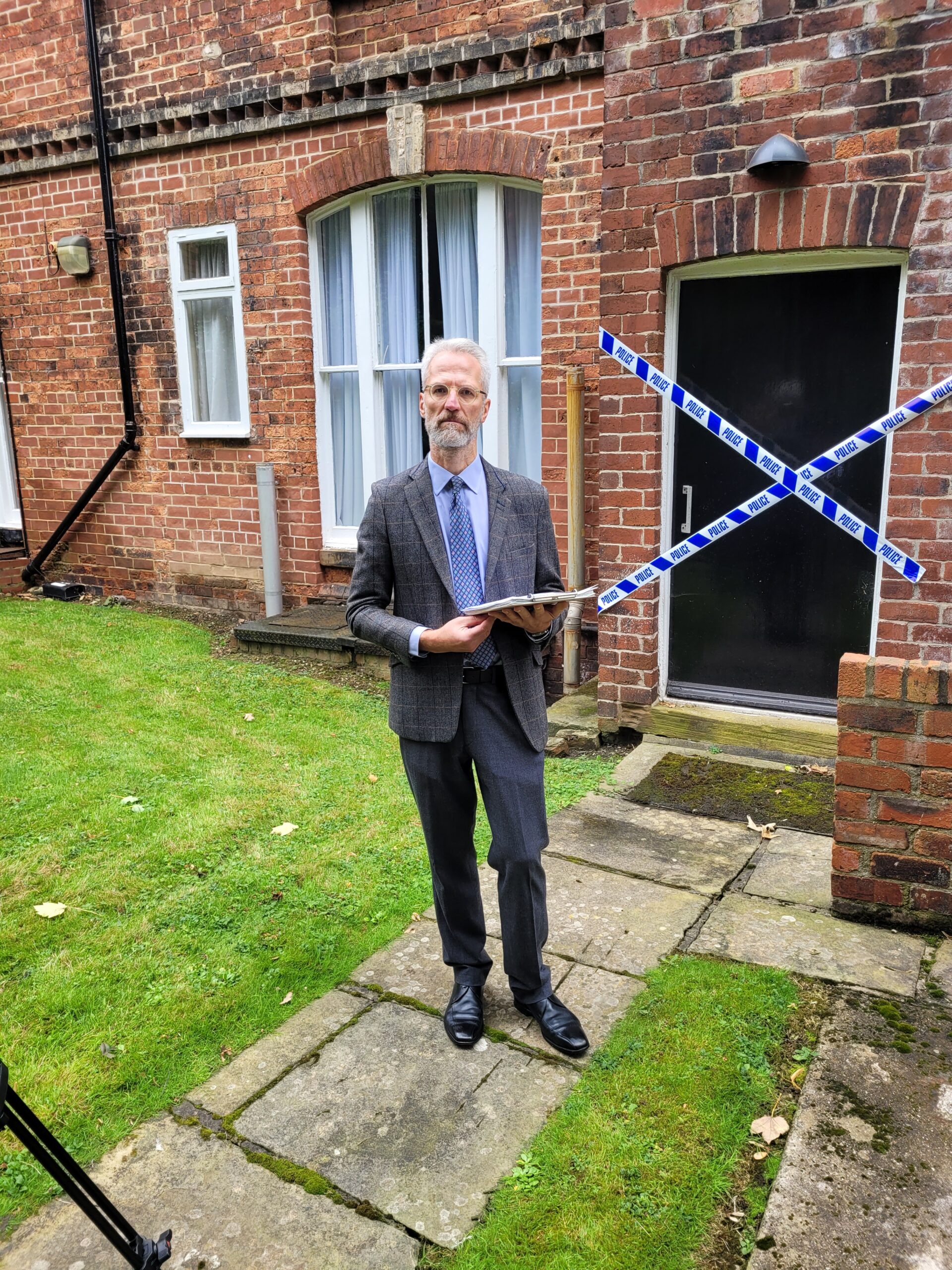
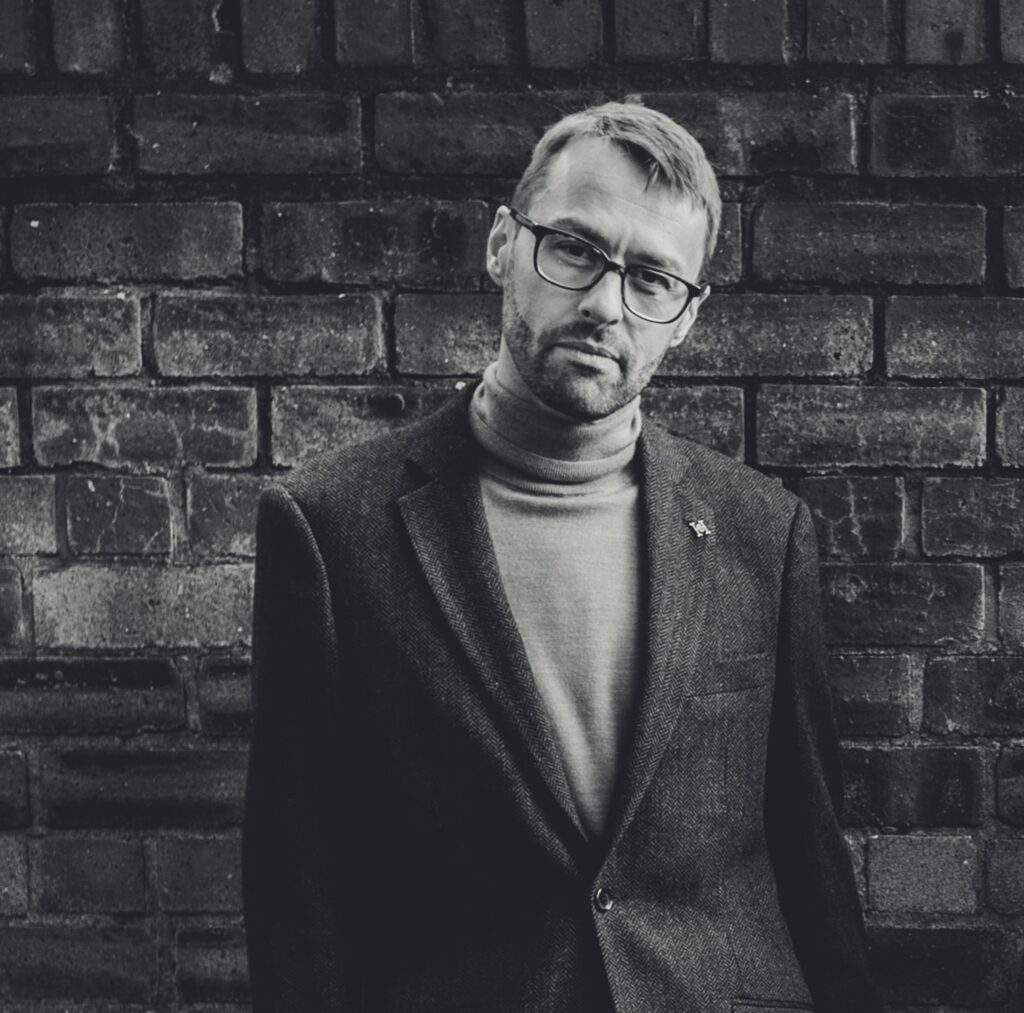
Carl Hartley, Lecturer in Journalism Practice, University of Leeds, UK